




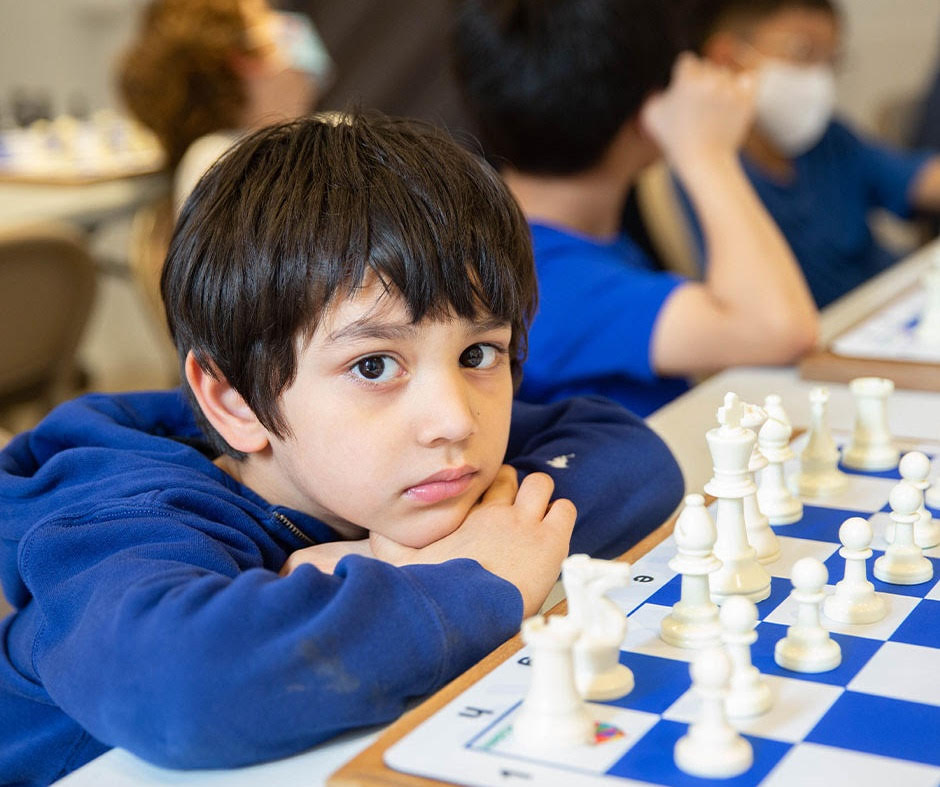
A lot of parents run into a similar situation at home.
Their child is bright, curious, energetic, asks a million questions, gets excited about new things — but the second something becomes difficult, everything changes. Homework suddenly turns into frustration. A board game ends in tears. A child who was excited five minutes earlier now wants to quit completely.
We hear versions of this constantly from parents in New York:
“He gives up very easily.”
“She gets frustrated immediately.”
“He’s very smart, but has a hard time focusing.”
“She shuts down when things get difficult.”
“He takes mistakes very personally.”
“My child melts down the moment something stops going his way.”
And honestly, for many children today, this is becoming more and more common.
One thing we’ve learned from working with hundreds of children across Manhattan is that concentration is not something children automatically develop on their own. The ability to sit with a difficult problem, stay calm through frustration, recover after mistakes, and continue thinking anyway is a skill.
For some kids, it develops naturally, while for others it needs to be practiced slowly over time.
Very often, the issue is not intelligence at all.
In fact, some of the children who struggle the most emotionally with mistakes are extremely bright kids. Especially children who are used to succeeding quickly. A lot of smart children are simply not used to struggling publicly, making visible mistakes, or not immediately knowing the answer.
The moment they feel uncomfortable, behind, or uncertain, emotions take over very quickly.
We see this constantly during chess classes.
Sometimes a child is completely engaged while things are going well, but the second the position becomes difficult, the emotional reaction becomes stronger than the game itself. Some children begin rushing moves. Some start arguing. Some freeze completely. Others emotionally give up long before the position is actually lost.
And honestly, modern schedules do not help much either.
A lot of children in New York are exhausted. School, homework, after-school programs, sports, tutoring, screens, constant stimulation — many kids spend their entire day moving from one highly stimulating environment to another.
By the time they sit down in front of something that requires calm concentration and patience, they are already mentally depleted.
That’s one reason many parents today actively look for structured screen-free activities for kids in NYC.
When Competition Becomes Emotional
We notice this especially clearly during games.
Recently during one of our classes, two of the strongest students in the group were playing each other. Both boys were extremely competitive and cared a lot about winning. At one point, one of them reached a very difficult position and was close to losing the game.
Almost immediately, the conversation shifted away from chess itself.
First he argued that a piece had been on a different square earlier. Then he insisted someone made an illegal move. Then he wanted to restart the game completely.
The interesting part was that the issue was not really the board position anymore.
Emotionally, he was struggling with the idea of losing.
For many children, especially highly competitive kids, that feeling becomes overwhelming very quickly. Some children handle losses surprisingly calmly. Others melt down after one mistake, even during a friendly class game.
“If you want to become stronger, you can’t spend all your energy arguing about a losing position. Sometimes the game is simply bad. The important part is whether you can calm down and play the next game well.”
A few minutes later, both students reset the board and started again. This time he won. The score became 1–1, and suddenly both kids were smiling again.
For us as coaches, moments like this are much bigger than chess itself.
You start seeing how children slowly learn to regulate emotions, recover from mistakes, and continue thinking instead of spiraling emotionally after something goes wrong.
Why Some Children Shut Down After Mistakes
Another situation during class reminded me how quickly children can mentally shut down after one mistake.
One student was playing a game where he suddenly realized he was about to lose his queen. The second he noticed it, his entire mood changed. He became upset almost immediately and said he didn’t want to continue playing anymore.
For many kids, losing the queen feels like losing the entire game.
But when we looked at the position more carefully, the situation actually wasn’t losing at all. A few moves later, he had a forced checkmate available.
The difficult part was not finding the move.
The difficult part was calming down enough to keep thinking.
That’s something we see very often with children who are afraid of making mistakes. The emotional reaction happens first, and the thinking shuts off completely.
After a few minutes, he settled down, started analyzing the board again, and eventually found the winning move himself.
And honestly, that moment mattered much more than the actual win.
The important part was realizing:
“I almost gave up before fully thinking through the problem.”
That pattern appears everywhere outside chess too — homework, tests, sports, social situations, even simple daily frustrations.
A lot of children today are simply not used to sitting with difficulty for very long. They are used to fast feedback, fast entertainment, fast switching between activities. When something suddenly requires ten uninterrupted minutes of thinking, it can feel emotionally uncomfortable almost immediately.
That’s one reason structured intellectual activities can be so valuable for children, especially activities that require concentration, patience, and independent thinking without constant screens or instant stimulation.
Learning to Slow Down and Think
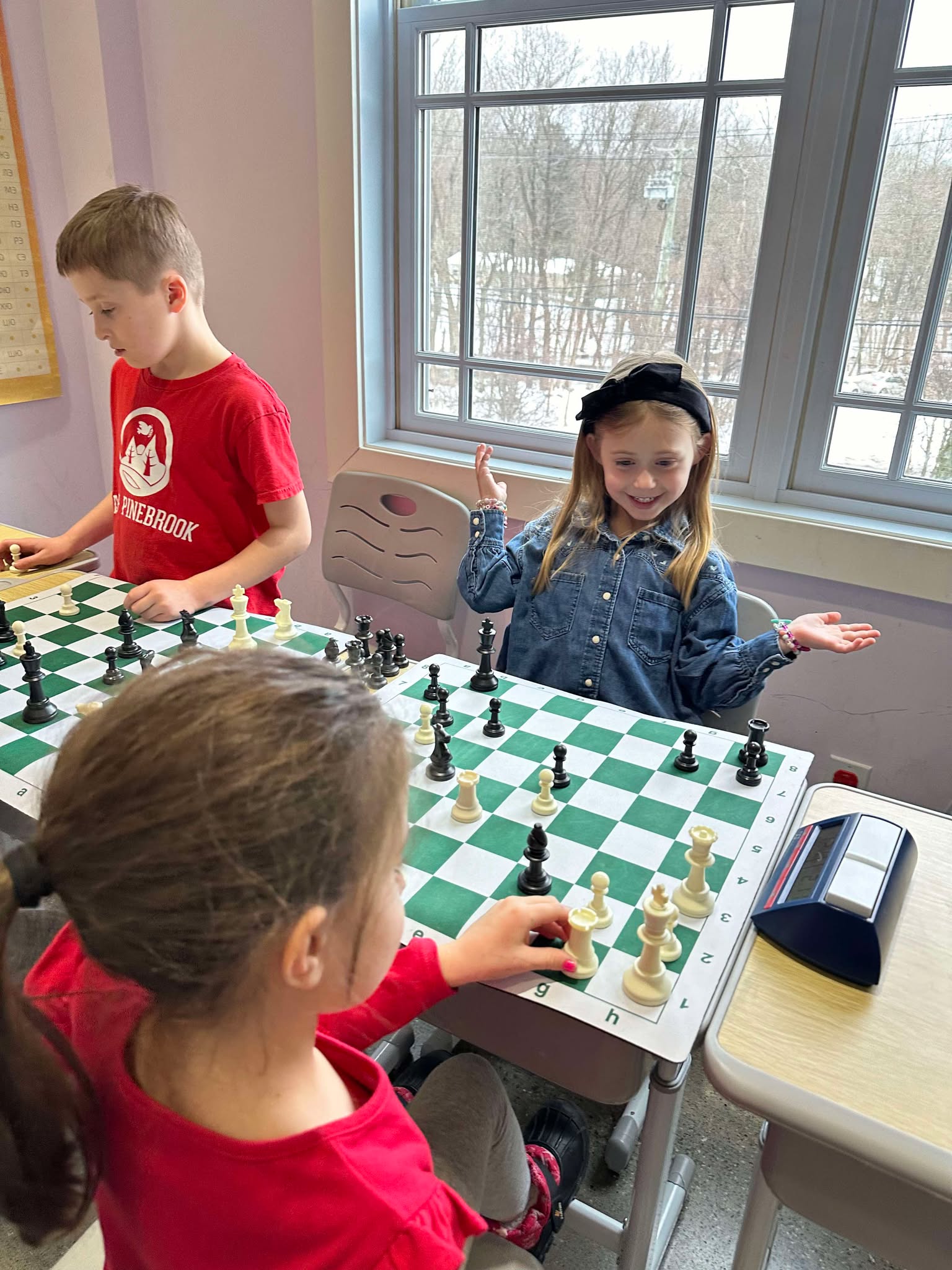
One thing chess does very naturally is force children to slow down.
During a game, children constantly have to make decisions independently. There is no way to move impulsively forever and still consistently succeed. Eventually they have to stop, analyze the position, and think through consequences calmly.
And for many children, that process feels uncomfortable at first.
We often see kids rush moves simply because sitting and thinking feels stressful. Some children physically struggle to stay still while analyzing a difficult position. Others panic after one mistake and begin playing emotionally instead of slowing down and thinking clearly.
But over time, many children begin changing noticeably.
Kids who originally played every move instantly begin thinking longer. Children who used to get frustrated immediately after mistakes start staying calmer. Some children who originally avoided difficult positions altogether slowly become more willing to sit with discomfort and keep trying anyway.
And importantly, this usually happens gradually.
Not because someone gave them a motivational speech.
Not because they were told to “be resilient.”
But because they repeatedly experienced difficult situations in a calm environment and slowly learned they could survive them.
That environment matters enormously.
When children become overly afraid of mistakes, they often stop taking intellectual risks completely. They rush decisions, avoid difficult positions, or mentally check out the second something feels uncomfortable.
We pay a lot of attention to creating an atmosphere where mistakes are treated as a normal part of learning instead of something embarrassing.
For some children, simply having a little extra time to think changes everything.
In smaller group chess classes or private chess lessons in our NYC locations, we often see children visibly relax because they no longer feel immediate pressure to perform perfectly in front of everyone else. They begin asking more questions, thinking more carefully, and becoming more comfortable working through difficult positions slowly.
At the same time, children are still learning competition. They still experience tournament nerves, difficult losses, frustration, pressure, and bad games. But they experience those things in a more controlled and supportive environment.
The Moments That Actually Matter
One thing we try to pay attention to as coaches is not simply whether a child won or lost, but how they reacted emotionally during difficult moments.
Sometimes we are honestly more proud of a child for calmly finishing a difficult game than for winning easily.
A child who used to melt down after every mistake but now stays focused for an entire tournament game — that’s real progress.
A child who used to avoid difficult puzzles but now sits with them patiently for fifteen minutes — that matters too.
Over time, these small moments start building something much bigger:
- patience
- emotional control
- attention span
- confidence under pressure
- the ability to continue thinking clearly when something becomes difficult
Trophies, Tournaments, and Confidence
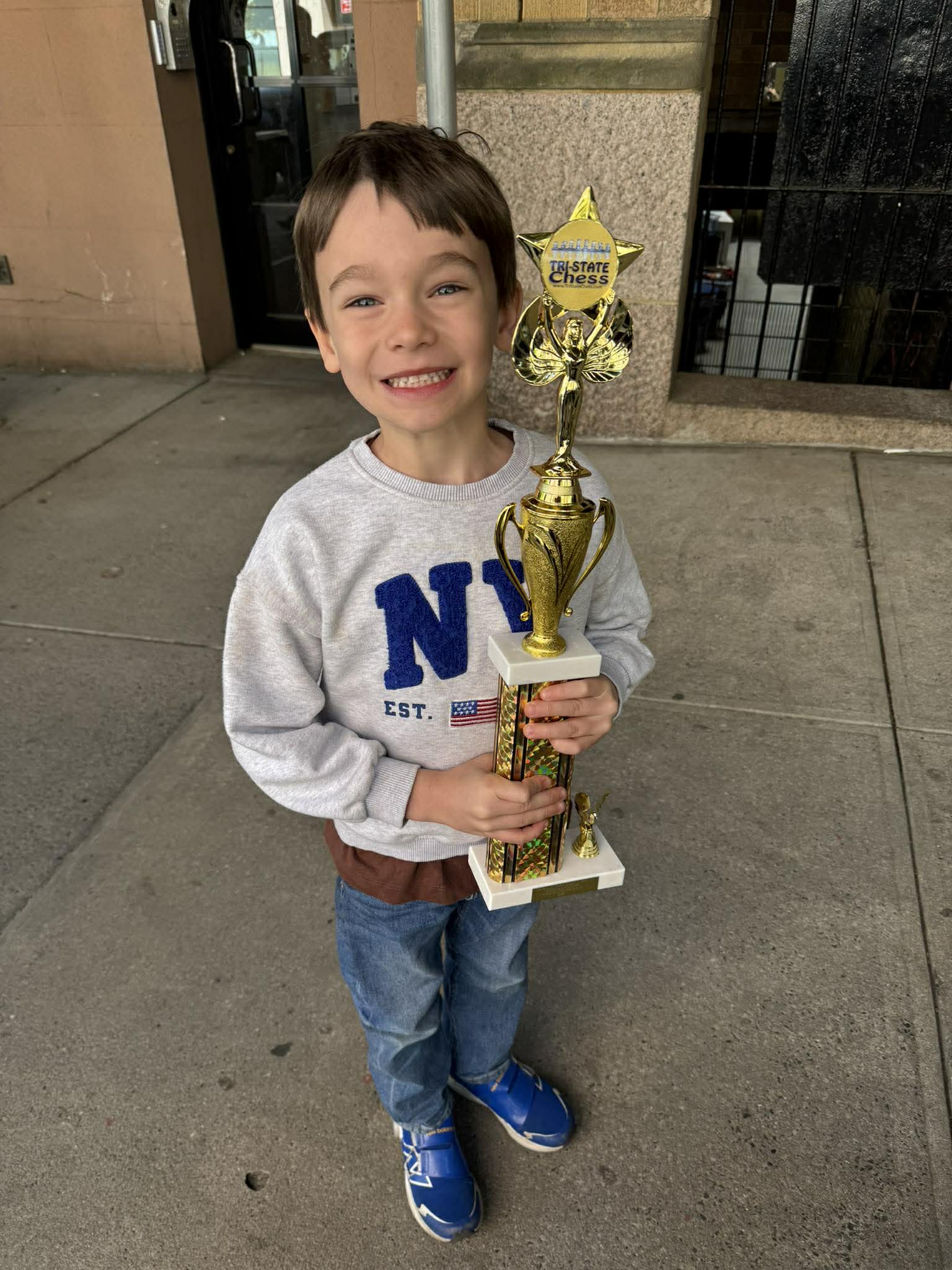
One of the most interesting things to watch is how children react to trophies in the academy.
Eventually almost every child walks up and asks:
“How do you win one of these?”
“What tournament was this from?”
“When can I play?”
For children, trophies quickly become more than decorations. They become proof that improvement is possible.
But we also try to explain something important very early:
Behind every trophy are difficult losses, bad tournaments, blunders, frustration, and an enormous amount of practice.
A lot of children do not realize that strong players lose constantly too.
We’ve had students prepare for months for their first serious tournament. Some lost nearly every game at first. Some cried after difficult losses. Some were afraid to come back the next week.
But over time, many of those same children slowly became calmer competitors. They learned how to lose without emotionally shutting down. They learned how to recover after bad games. Eventually many of them earned their own first trophies and medals.
Honestly, those are usually the moments we remember most as coaches.
Not because of the trophy itself, but because you can literally watch a child become more comfortable with challenge, frustration, and long-term effort.
Beyond Chess
At the end of the day, chess for us has never really been only about chess.
Of course children learn openings, tactics, calculation, and tournament skills. But much more importantly, they slowly learn how to stay calm when something feels difficult, how to think instead of panic, and how to continue after mistakes instead of immediately giving up.
Every week we hear children say things like:
“I don’t know what to do here.”
“What if I make the wrong move?”
“I can’t figure this out.”
And honestly, those same thoughts appear far beyond the chess board too.
School.
Tests.
Sports.
Friendships.
Anything difficult or unfamiliar.
Our goal is not to create children who never lose or never struggle.
The goal is helping children become more comfortable with difficulty itself.
To think longer.
To stay calmer.
To recover faster after mistakes.
To stop seeing every difficult moment as a reason to quit.
And over time, we often see that confidence carries far beyond chess.
About Chess Max Academy
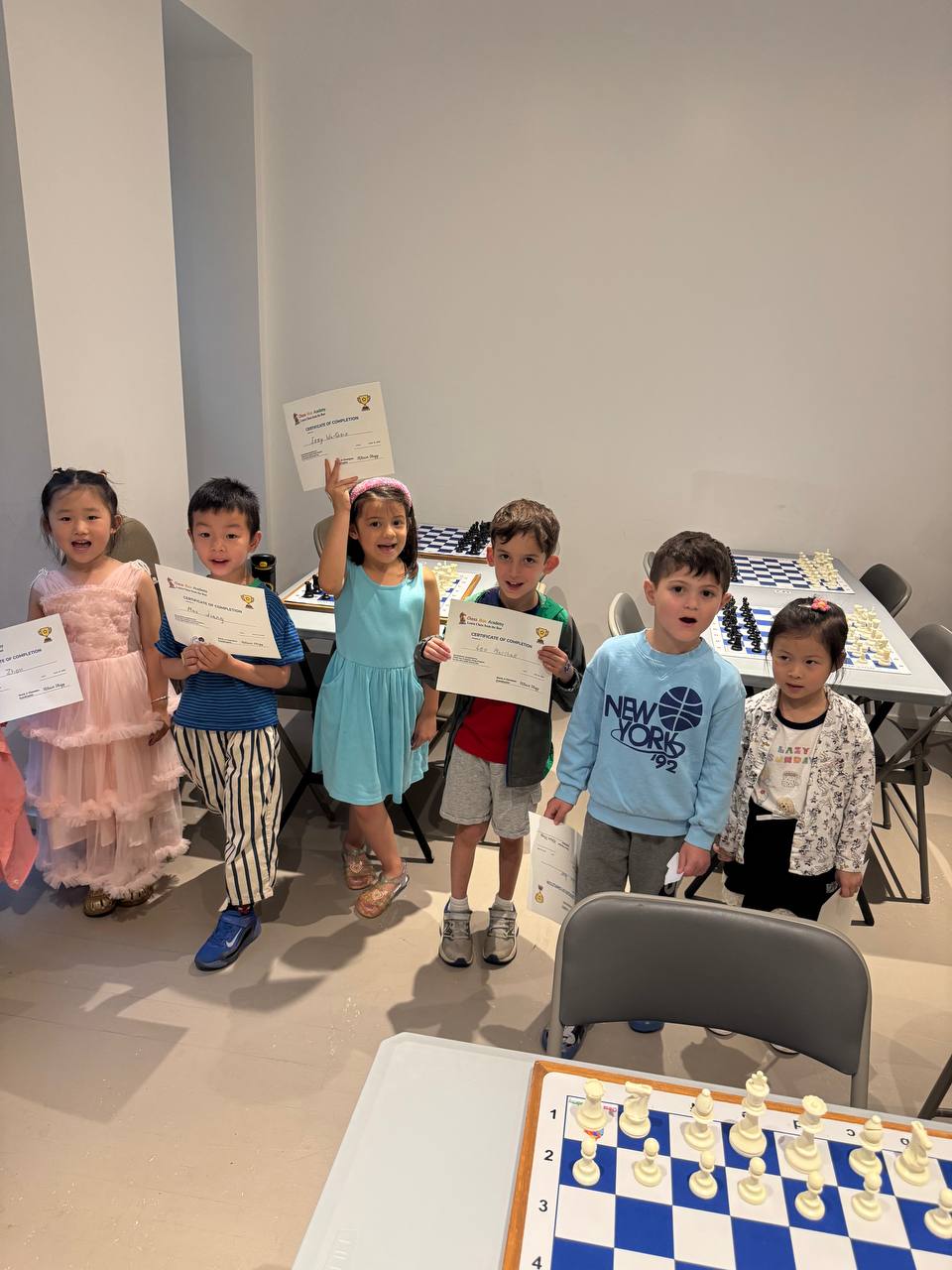
Chess Max Academy works with children across Manhattan, helping students develop concentration, emotional control, tournament confidence, and long-term thinking skills through chess.
Programs are available across:
Upper West Side
Upper East Side
Greenwich, CT
Online